

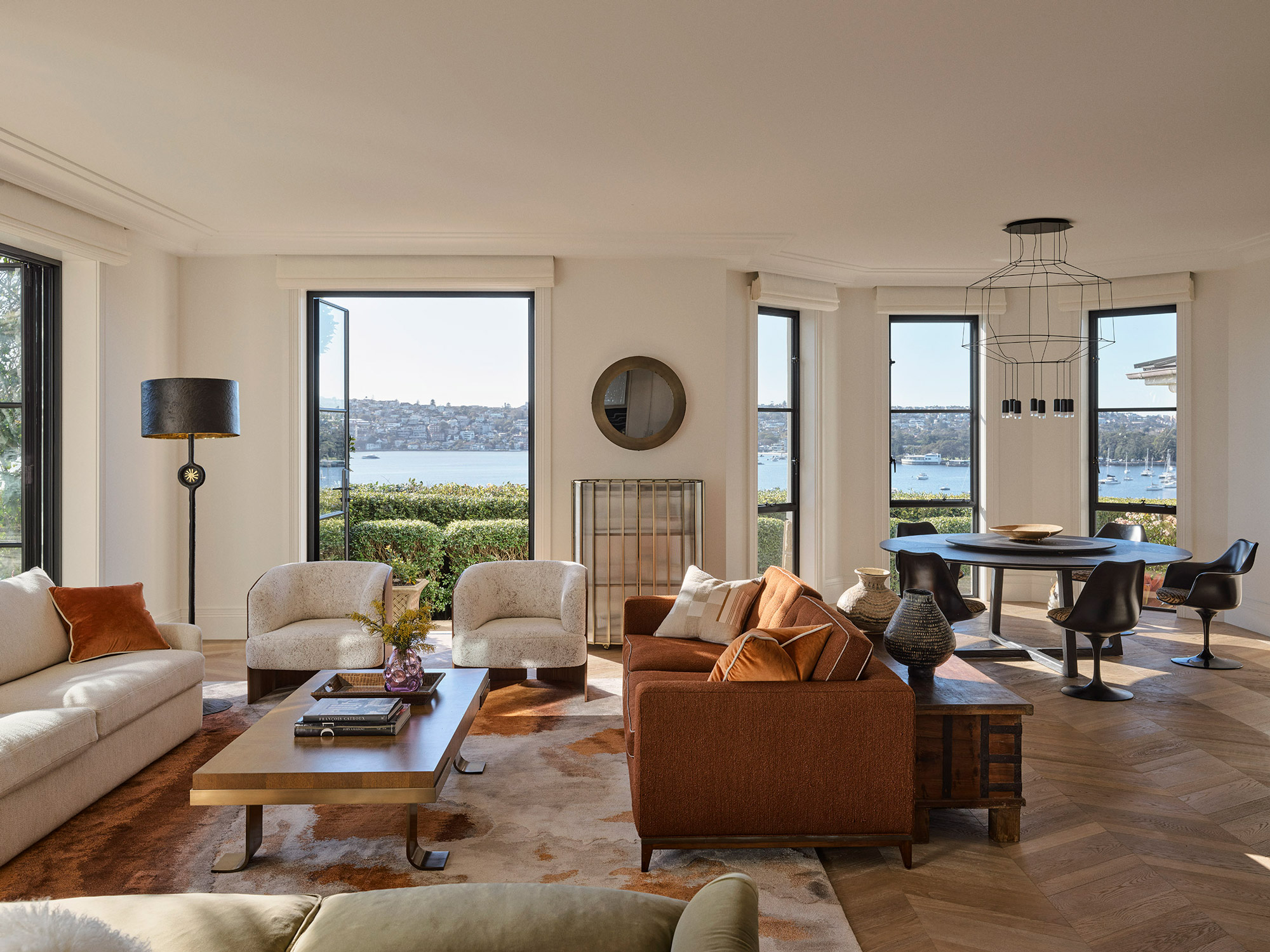
Category: Buyer’s Guide | Read time: 8 min | Updated: 2026
When you’re building or renovating a luxury home, the windows and doors you choose aren’t just functional — they define the character of the entire property. Steel and aluminium are both popular choices, but they’re very different materials with very different outcomes. Here’s everything you need to know before you decide.
If you’ve been researching steel windows and doors, you’ve probably encountered aluminium as the obvious alternative. It’s widely available, typically cheaper, and used across thousands of Australian homes. But for architects, designers and discerning homeowners who want something that genuinely stands apart — the conversation usually ends with steel.
That’s not to say aluminium is a poor choice. It has genuine strengths. But understanding exactly where each material excels — and where it falls short — is what separates a good decision from a great one.

The Core Difference: What Are You Actually Comparing?
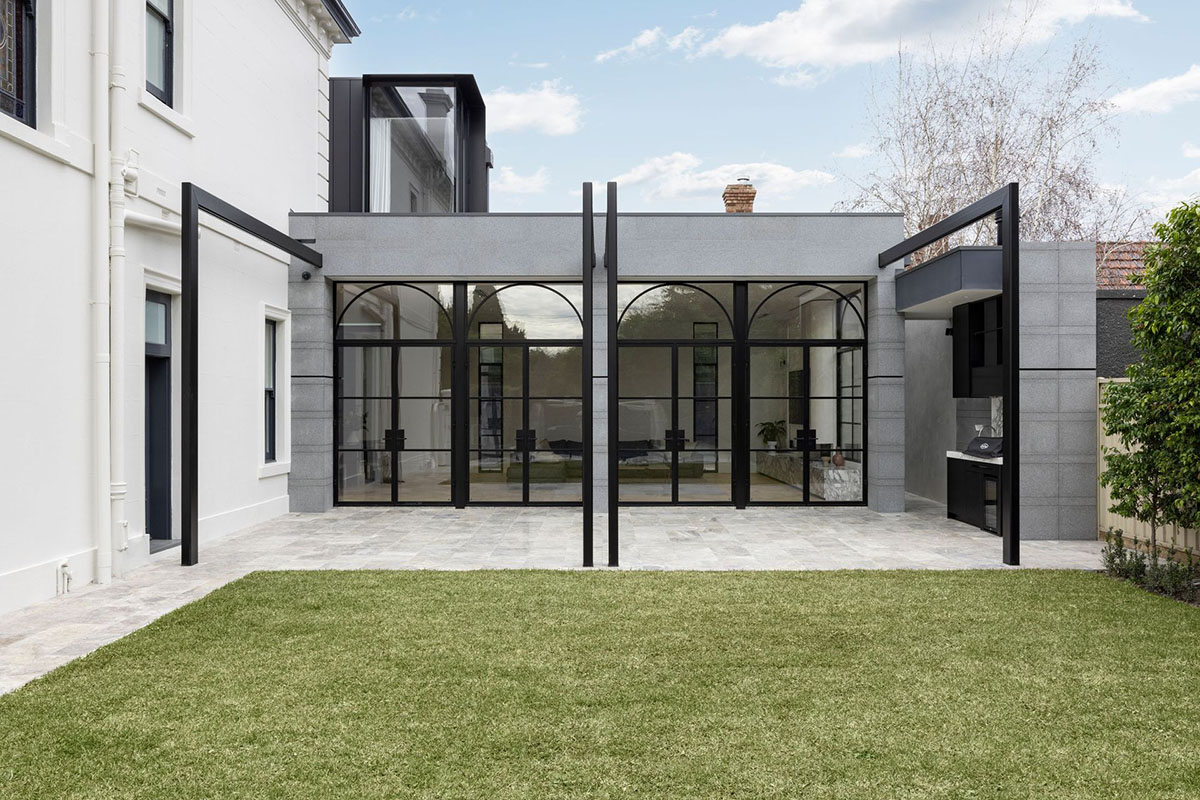
At a material level, steel is significantly stronger than aluminium — roughly three times stronger by weight. This structural advantage is what makes steel windows and doors so compelling from a design perspective: the frames can be dramatically thinner while still carrying the same load, which means more glass, more light, and a profile that simply can’t be replicated in aluminium.
Aluminium, by contrast, requires thicker frames to achieve equivalent structural performance. That’s not always a problem — for standard residential windows in a contemporary home, aluminium performs perfectly well. But if you’re after those razor-thin sightlines you see in high-end European architecture, steel is the only material that gets you there.
Aesthetics: Where Steel Wins Decisively
This is where the conversation tilts firmly in steel’s favour. Steel frames carry a visual weight and presence that aluminium simply cannot match. There’s a solidity to them — a permanence — that reads as intentional and architectural rather than functional and generic.
The slimline profiles achievable in steel open up the frame-to-glass ratio dramatically. Where a standard aluminium window might have a 60–70mm frame profile, a steel equivalent can be as slim as 20–40mm. Over an entire facade, that difference is transformative.
Iron entry doors take this further again. Hand-fabricated from sheets of iron and steel tube, a Zen iron entry door is genuinely one-of-a-kind — the kind of architectural statement that sets the tone for everything beyond the threshold. No aluminium product comes close to replicating it.
“Steel frames carry a visual weight and presence that aluminium cannot match — a permanence that reads as intentional and architectural rather than functional and generic.”
Performance: A More Balanced Story
Thermal Performance
This is often cited as aluminium’s advantage, and historically that was true. Steel conducts heat more readily than aluminium, which can create thermal bridging — heat transferring through the frame itself. However, modern thermally broken steel profiles (which incorporate an insulating barrier within the frame) have largely closed this gap. Zen’s MTS50 thermally broken profiles deliver excellent thermal and acoustic performance, meeting Australian energy efficiency requirements under the NCC and BASIX.
Weather Resistance
Aluminium is naturally corrosion-resistant, which has traditionally made it the default choice in coastal environments. Modern steel door and window systems address this through galvanising, zinc priming, and high-quality fluorocarbon paint systems — the same protective technology used in marine and industrial applications. Properly finished and maintained, steel performs exceptionally well in Australian coastal conditions.
Acoustic Performance
Both materials can achieve strong acoustic performance when double or triple glazed. The frame material itself is secondary to the glazing specification when it comes to sound reduction.
 Steel vs Aluminium: Side-by-Side Comparison
| Category | Steel | Aluminium |
|---|---|---|
| Frame Slimness | ✅ Significantly slimmer profiles | Thicker frames required |
| Aesthetic Presence | ✅ Architectural, distinctive | Clean but conventional |
| Structural Strength | ✅ ~3× stronger by weight | Adequate for standard spans |
| Thermal Performance | Excellent with thermally broken profiles | ✅ Naturally better conductor |
| Corrosion Resistance | Excellent when properly treated | ✅ Naturally corrosion-resistant |
| Customisation | ✅ Fully bespoke, hand-fabricated | Limited by extrusion profiles |
| Longevity | ✅ Decades with correct maintenance | Long-lasting, low maintenance |
| Price Point | Premium investment | ✅ Lower entry cost |
| Heritage / Character Homes | ✅ Authentic, period-appropriate | Can look out of place |
Cost: Understanding the Investment
Steel windows and doors cost more than aluminium — there’s no point pretending otherwise. The materials are more expensive, the fabrication is more labour-intensive, and the customisation involved in a bespoke steel product is genuinely different from manufacturing standard aluminium extrusions.
But cost comparisons in isolation miss the point. The more useful question is: what is the value of getting this right?
In a luxury home where the entry door alone can make or break the architectural intent, specifying an inferior product to save a few thousand dollars often costs far more in lost design impact — and property value. Steel windows and doors consistently feature in the homes of architects and designers for a reason: they understand the return on investment clearly.
Things to factor into your cost comparison:
- Steel doors and windows typically last significantly longer with correct treatment, reducing lifetime replacement costs
- The design impact of steel in a luxury home has a real effect on property value
- Bespoke fabrication means no standard sizing constraints — you’re not paying to compromise
- AS2047-2014 certified products (as Zen supplies) meet NCC requirements without additional compliance costs
Which Material Is Right for Your Project?
The honest answer depends on what you’re trying to achieve. Here’s a practical framework:
Choose steel when design is the priority. You want slimline profiles, maximum glazing area, or an architectural statement. You’re building or renovating a premium home where the windows and doors are integral to the design intent.
Choose steel for heritage homes. Period properties deserve period-appropriate materials. Steel is the authentic choice for federation, art deco, and mid-century homes — aluminium rarely looks right in these contexts.
Choose steel when the entry door matters. If the front door is a focal point — and it always should be — an iron entry door fabricated from steel delivers presence, security and individuality that no aluminium product can replicate.
Consider aluminium when budget is the constraint. For secondary windows, laundry doors, or projects where design differentiation is less critical, aluminium is a practical choice that performs well and is widely available.

A Note on Australian Standards & Compliance
Whichever material you choose, ensure your supplier can provide products certified to AS2047-2014 — the Australian Standard for windows and external glazed doors in buildings. This certification is required under the National Construction Code and BASIX, and covers structural performance, air infiltration, water penetration and operating force testing.
Zen Doors & Windows products are tested and certified to AS2047-2014 across our range of steel frame glass hinge doors & windows, meaning your project meets compliance requirements without compromise.
Steel and aluminium are both legitimate materials for windows and doors. But they’re not interchangeable. If you’re building a home where design is taken seriously — where the windows and doors are part of an architectural vision rather than a specification afterthought — steel is almost always the right answer.
The slimmer profiles, the hand-fabricated character, the sheer presence of a well-made steel window or iron entry door: these are things you feel when you arrive at a property, even before you consciously register the material. That’s what good architecture does.
Ready to Specify Steel for Your Project?
Talk to our team about custom steel doors, windows and iron entry doors — delivered Australia-wide and certified to AS2047-2014.
Contact us for a free quote or to visit one of our showrooms in Melbourne or Sydney.


